
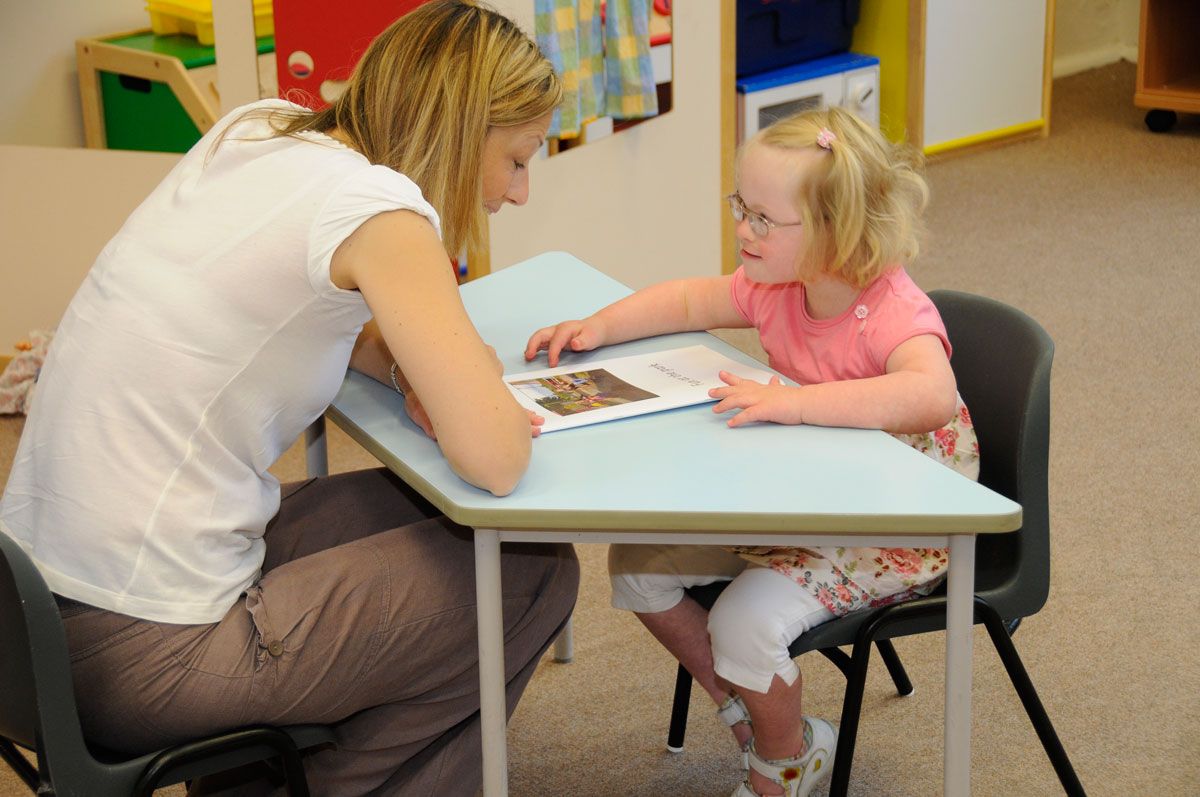
Children with Down syndrome are full of potential, creativity, and personality. At the same time, they may face unique challenges in communication, social interaction, and behaviour regulation. These challenges don’t define them, but they do highlight the importance of providing the right support early on.
Among the many Down syndrome therapy options, social and behavioural approaches play a key role in helping children build confidence, form relationships, and succeed in everyday environments like school, home, and the community. In this guide, we’ll explore play-based therapy, social skills groups, and positive behaviour strategies that parents and educators can use to encourage growth and independence.
Why Social and Behavioural Therapy Matters
Children with Down syndrome often experience:
- Communication difficulties (limited vocabulary, slower processing of language).
- Social interaction challenges (understanding cues, taking turns, initiating conversations).
- Behavioural struggles (frustration, stubbornness, or difficulty with transitions).
Therapy helps by:
- Building stronger social connections.
- Teaching practical coping and communication skills.
- Encouraging independence and positive behaviour patterns.
1. Play-Based Therapy
Play is one of the most effective ways children with Down syndrome learn. Play-based therapy uses structured play activities to improve both social and behavioural skills.
Benefits:
- Enhances communication (through role play, storytelling, or toy-based conversations).
- Improves turn-taking and sharing skills.
- Builds creativity and problem-solving.
- Reduces frustration by providing a safe, fun outlet for emotions.
Examples of Play-Based Activities:
- Pretend Play – playing “house” or “shop” to practice real-life conversations.
- Board Games – teaching patience, waiting turns, and following rules.
- Group Play Sessions – encouraging interaction with peers in a supported setting.
Parents can easily bring this home by scheduling daily “play sessions” where siblings or parents model social interaction.
2. Social Skills Groups
For many children with Down syndrome, joining social skills groups is an excellent way to practice communication and social behaviour in a structured, supportive environment.
What They Offer:
- Guided small group sessions led by therapists or educators.
- Opportunities to practice greetings, conversation, and body language.
- Role-playing common social situations (like making a friend, asking for help, or joining group play).
- Peer-to-peer encouragement that builds confidence.
Benefits for Children:
- Learn how to build and maintain friendships.
- Improve listening and conversational turn-taking.
- Gain experience in managing emotions during group interactions.
- Develop independence for school and community settings.
These groups often take place in schools, therapy centres, or community programs, and can make a huge difference in preparing children for everyday interactions.
3. Positive Behaviour Strategies
Behavioural challenges can sometimes appear in children with Down syndrome, often linked to communication frustrations, sensory sensitivities, or difficulty with changes in routine. Instead of focusing on punishment, therapists and parents use positive behaviour strategies to encourage healthy responses.
Key Approaches:
- Positive Reinforcement – praising or rewarding desired behaviours (e.g., “Great job sharing your toy!”).
- Visual Supports – using picture schedules, charts, or flashcards to explain routines.
- Consistent Routines – predictable daily patterns that reduce anxiety and confusion. Modelling Behaviour – showing children how to respond appropriately in different situations.
Practical Example:
If a child struggles with transitions (like stopping play to eat dinner), parents can:
- Use a visual timer to prepare the child for change.
- Give a countdown (“5 more minutes of play, then dinner”).
- Praise cooperation when the child transitions smoothly.
This approach teaches skills in a positive way rather than focusing on mistakes.
How Parents Can Support at Home
Therapy doesn’t stop when the session ends. Parents play a vital role in reinforcing social behavioural skills. Here are some easy strategies:
- Read stories together and discuss the characters’ feelings and actions.
- Use daily routines (mealtime, bedtime, errands) as opportunities to practice communication.
- Play family games that involve turn-taking and sharing.
- Model calm behaviour when things don’t go as planned.
- Celebrate small wins progress may be gradual, but every step counts.
Final Thoughts
Every child with Down syndrome has unique strengths and challenges, which is why exploring different Down syndrome therapy options from play-based therapy to positive behaviour strategies is so important.. By combining play-based therapy, social skills groups, and positive behaviour strategies, parents and educators can give children the tools they need to connect, express themselves, and thrive.
The goal of social and behavioural therapy is not just to improve skills, it’s to build confidence, independence, and joy in everyday life. With patience, consistency, and support, children with Down syndrome can reach their full potential in both social and emotional development.